
RUIN
Narrative with Embedded Images // 005
"We do not inherit ruins — we become them. Architecture is time made solid, waiting to be read."
The site is a hillside scar. A 1960s concrete shelter, half-collapsed, occupies the northern edge. The first act of design was to do nothing — to sit with the ruin for a season, to map where the afternoon shadow falls, and to locate the exact moment each evening when the sandstone turns the colour of ember.
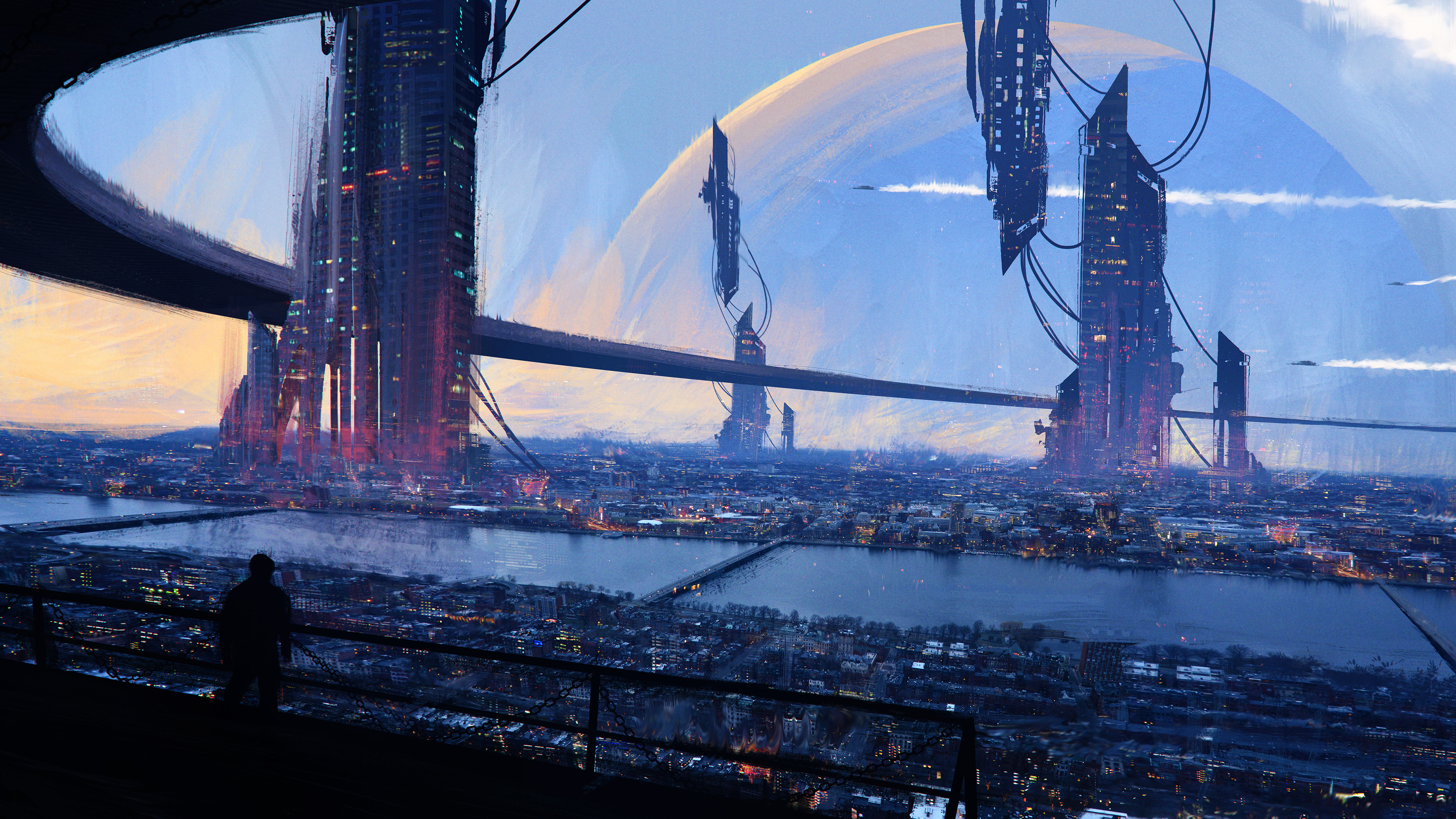
This image above is embedded directly in the markdown body between paragraphs. The current paragraph renderer splits content by double newlines, so this line of markdown will appear as a raw string in a <p> tag — which is exactly what we are testing. A future MDX upgrade would render this as an actual image component.
The new structure grows out of the ruin rather than against it. Three earth-compressed walls form an L that enfolds the collapsed shelter, turning the void of its missing roof into a sky-court. The collapsed concrete becomes a plinth — a platform from which one reads the landscape.
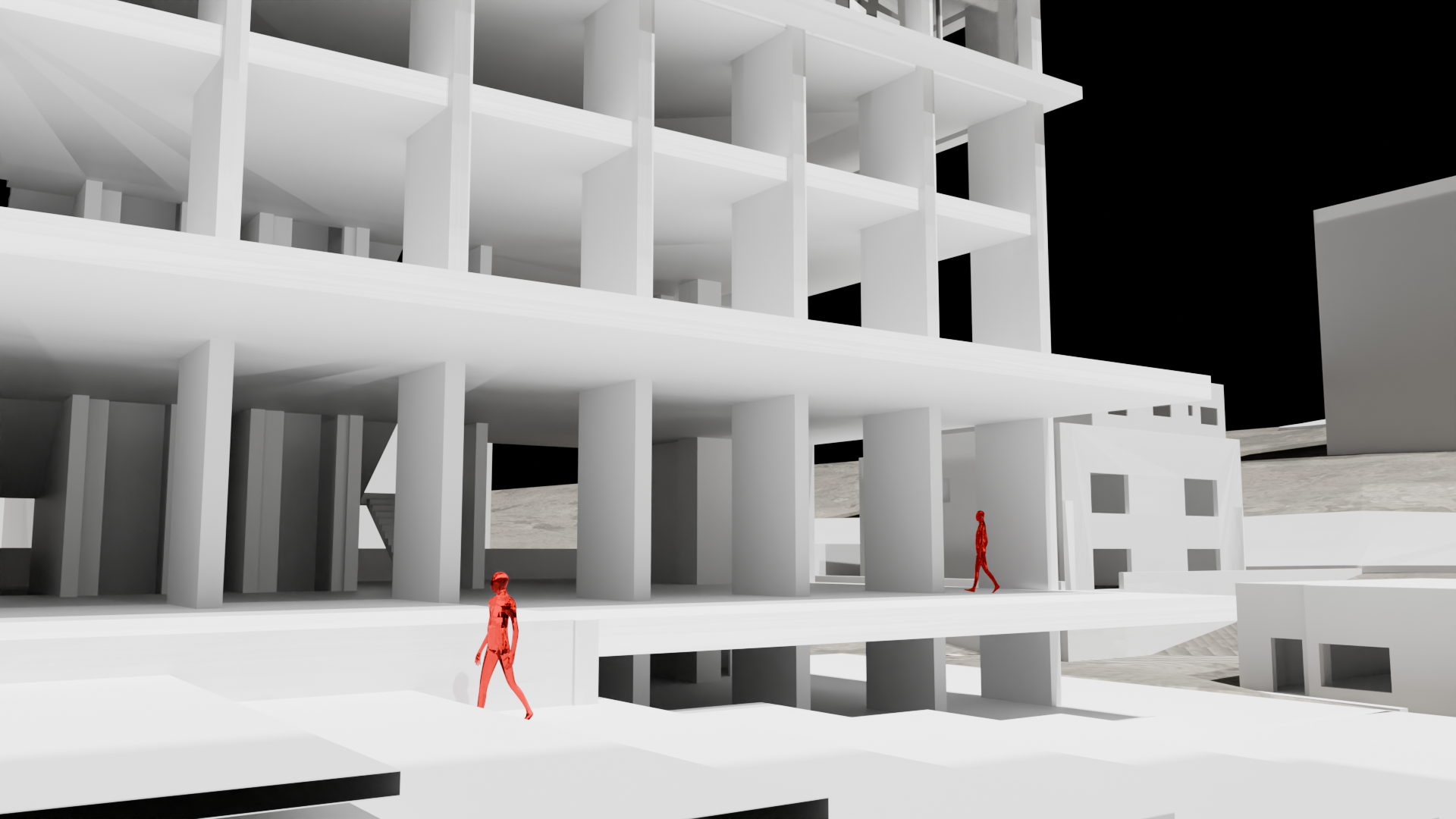
Materiality is honest to the point of aggression. The compressed earth walls are mixed from the site's own excavated spoil — no import, no additives beyond a small percentage of lime stabiliser. They are rough-formed, intentionally uneven, carrying the texture of the wooden shuttering in their surface.
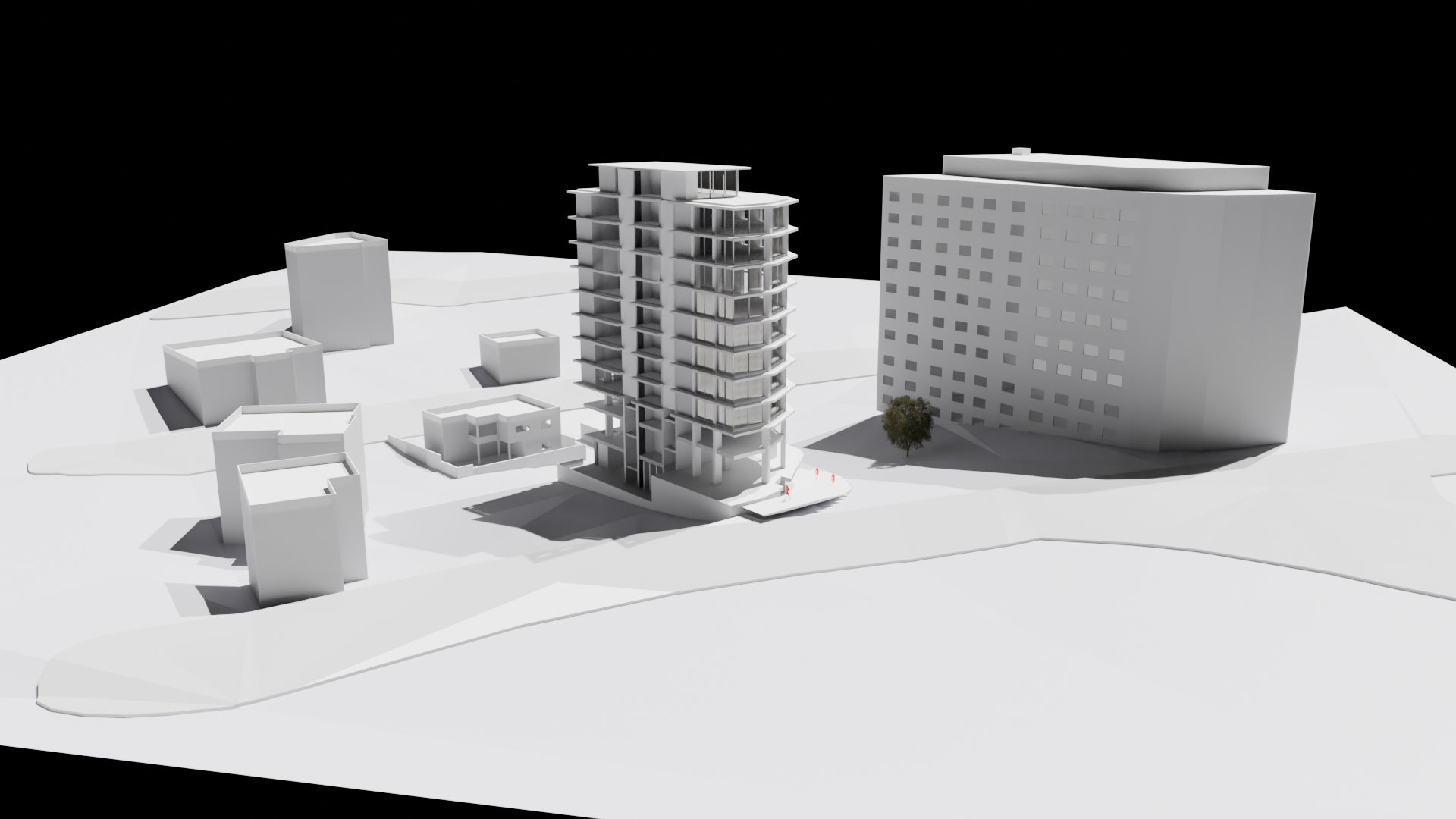
The program is minimal: a single inhabitable room, a covered loggia, a cistern. The building holds water, holds shadow, and holds memory. Nothing more is needed. This is architecture at its most reduced — a vessel for time.
Petra Outskirts, Jordan
Sandstone / Adobe / Compressed Earth
March 2026